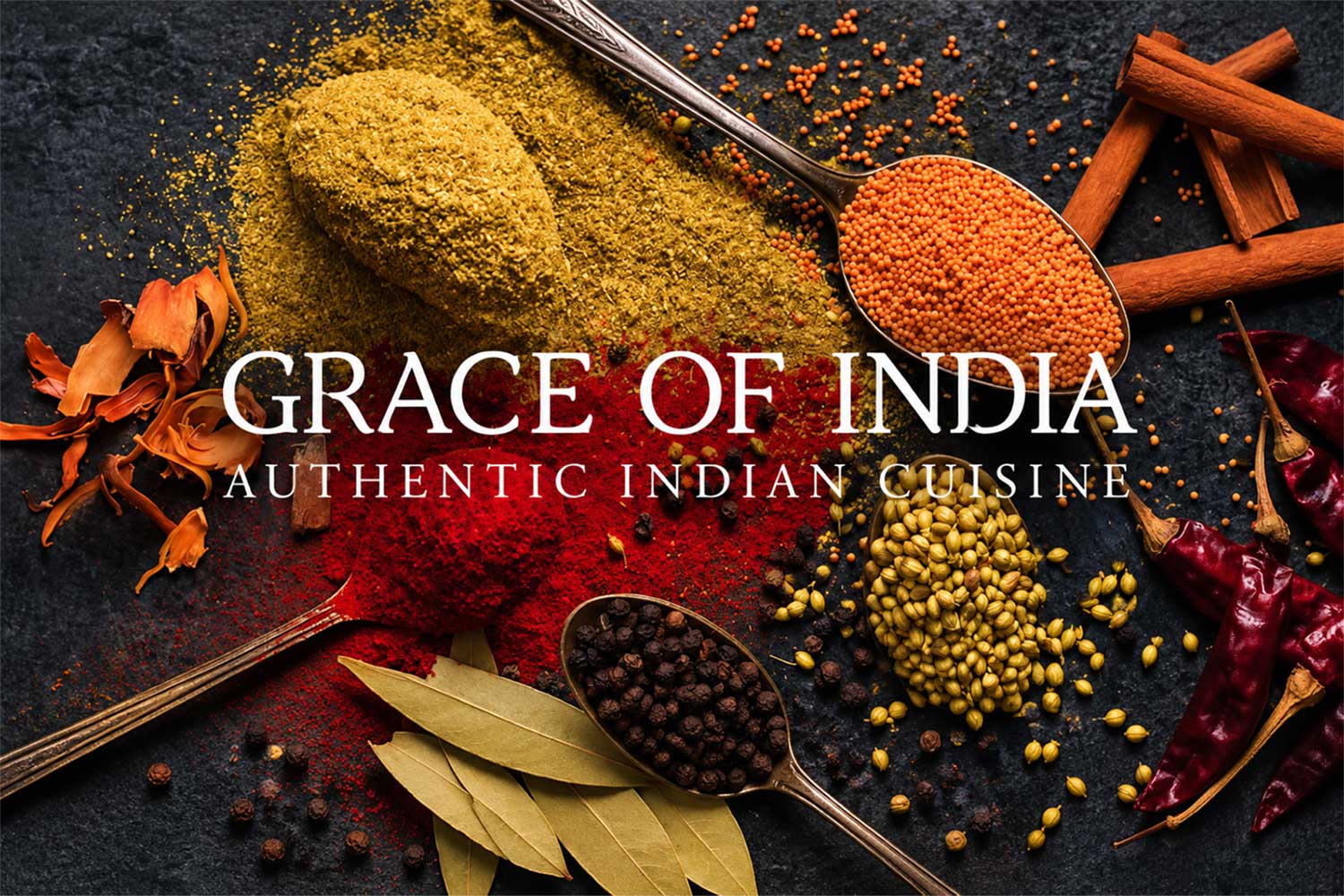
Indian Spices Explained: The Flavours Behind Your Favourite Dishes
Indian cuisine is known for its rich aromas, vibrant flavours and incredible variety. But behind every comforting curry, fragrant biryani and delicious tandoori dish is a carefully balanced combination of Indian spices.
At Grace of India, we believe Indian spices are more than just ingredients. They are what give authentic Indian food its character, depth and connection to generations of cooking traditions.
From the warmth of cumin to the earthy aroma of cardamom, let’s explore some of the most commonly used traditional Indian spices and the flavours they bring to your favourite Indian dishes.
1. Cumin – Earthy and Warm
Cumin is one of the foundations of Indian cooking. Its warm, earthy and slightly nutty flavour makes it incredibly versatile.
Cumin seeds are often toasted in oil or ghee at the beginning of cooking, releasing their aroma before other ingredients are added. Ground cumin is also commonly used in Indian spice blends and marinades.
You’ll often find cumin in:
- Dal
- Chana masala
- Jeera rice
- Curries
- Tandoori marinades
That familiar aroma you notice when an Indian dish first arrives at the table? Cumin may well be part of it.
2. Cardamom – Fragrant and Slightly Sweet
Cardamom has a distinctive floral, sweet and refreshing aroma. Both green and black cardamom are used in Indian cooking, although they bring very different characteristics.
Green cardamom is particularly popular in desserts, chai and aromatic rice dishes, while black cardamom has a deeper, smokier character that works beautifully in hearty curries.
Commonly used in:
- Biryani
- Chai
- Kheer
- Rich curries
- Indian desserts
Even a small amount can make a noticeable difference to a dish.
3. Turmeric – Earthy and Vibrant

Turmeric is instantly recognisable by its golden-yellow colour. It has a mild earthy flavour and is a staple in countless Indian dishes.
While turmeric contributes beautiful colour to dishes, it is the combination of turmeric with other Indian spices that creates the complexity associated with authentic Indian food.
You’ll often find turmeric in:
- Dal
- Vegetable curries
- Chicken curries
- Rice dishes
- Pickles
4. Coriander – Fresh, Citrusy and Aromatic
Coriander comes in both seed and fresh herb forms, and each has a different role in Indian cooking.
Ground coriander seeds have a warm, slightly citrusy flavour and are frequently used in curry bases and Indian spice blends. Fresh coriander leaves, meanwhile, add freshness and are often used as a finishing touch.
Commonly used in:
- Curry sauces
- Chole
- Tandoori marinades
- Dal
- Chutneys
It is one of those ingredients that can bring a dish together right at the end.
5. Cloves – Warm and Intense
Cloves have a strong, warm and slightly sweet flavour, so they are generally used in small quantities.
They are particularly popular in slow-cooked dishes where their flavour has time to infuse into the sauce or rice.
Commonly used in:
- Biryani
- Pulao
- Curries
- Garam masala
- Chai
Their unmistakable aroma is especially noticeable in fragrant rice dishes.
6. Cinnamon – Sweet and Woody
Indian cooking uses cinnamon for much more than desserts. Its sweet, woody flavour works particularly well in savoury dishes.
Small pieces of cinnamon are often added to hot oil or ghee at the beginning of cooking, allowing the spice to release its aroma.
You’ll often find cinnamon in:
- Biryani
- Korma
- Butter chicken
- Pulao
- Garam masala
It adds warmth without necessarily making a dish taste overtly sweet.
7. Black Pepper – Sharp and Aromatic
Before chilli became widely used in India, black pepper was one of the country’s important sources of heat.
It has a sharper, more complex flavour than chilli and can be used whole, cracked or ground.
Commonly used in:
- Pepper chicken
- South Indian dishes
- Marinades
- Rasam
- Indian spice blends
Freshly ground black pepper can add a wonderful finishing touch to a dish.
8. Mustard Seeds – Nutty and Pungent
Mustard seeds may be small, but they have plenty of personality.
When heated in oil, mustard seeds begin to pop and release a nutty, pungent aroma. This technique is especially common in many South Indian and regional Indian dishes.
Commonly used in:
- Pickles
- Vegetable dishes
- Dal
- Tempering
- Regional curries
The process of tempering Indian spices in hot oil or ghee is an important part of Indian cooking and helps release their essential aromas.
9. Fenugreek – Earthy and Slightly Bitter
Fenugreek, known as methi in Hindi, has a distinctive earthy aroma with a subtle bitterness.
Dried fenugreek leaves, or kasuri methi, are often crumbled over finished dishes to add another layer of flavour.
Commonly used in:
- Butter chicken
- Creamy curries
- Dal
- Vegetable dishes
- Indian spice blends
That subtle, restaurant-style aroma in a creamy Indian curry can often come from kasuri methi.
10. Garam Masala – A Blend, Not a Single Spice
Garam masala is perhaps one of the most recognisable Indian spice blends. But unlike cumin or turmeric, garam masala isn’t a single spice.
It is a blend, and the exact ingredients can vary depending on the region, recipe and cook. Common ingredients may include cumin, coriander, cardamom, cinnamon, cloves, black pepper and other aromatic Indian spices.
The word garam refers to warmth, while masala means spice blend.
Garam masala is often added towards the end of cooking to preserve its fragrance and give a dish its characteristic warmth.
Why Indian Food Uses So Many Spices

One of the biggest misconceptions about Indian food is that spices are simply used to make dishes hot.
In reality, Indian spices are about building layers of flavour.
One spice may provide earthiness, another sweetness, another warmth, while herbs and fresh ingredients add brightness. The skill lies in balancing these flavours rather than allowing one spice to overpower everything else.
That is why two Indian dishes can contain some of the same spices yet taste completely different.
The Art Behind the Spice
Indian cooking is not simply about adding a long list of spices to a pot. When and how a spice is used can be just as important as the spice itself.
Whole spices may be toasted or tempered in hot oil, ground spices can form the foundation of a curry, and aromatic spices may be added towards the end to preserve their fragrance.
This careful layering is what creates the depth and complexity found in traditional Indian cuisine.
Taste the Flavours of India at Grace of India
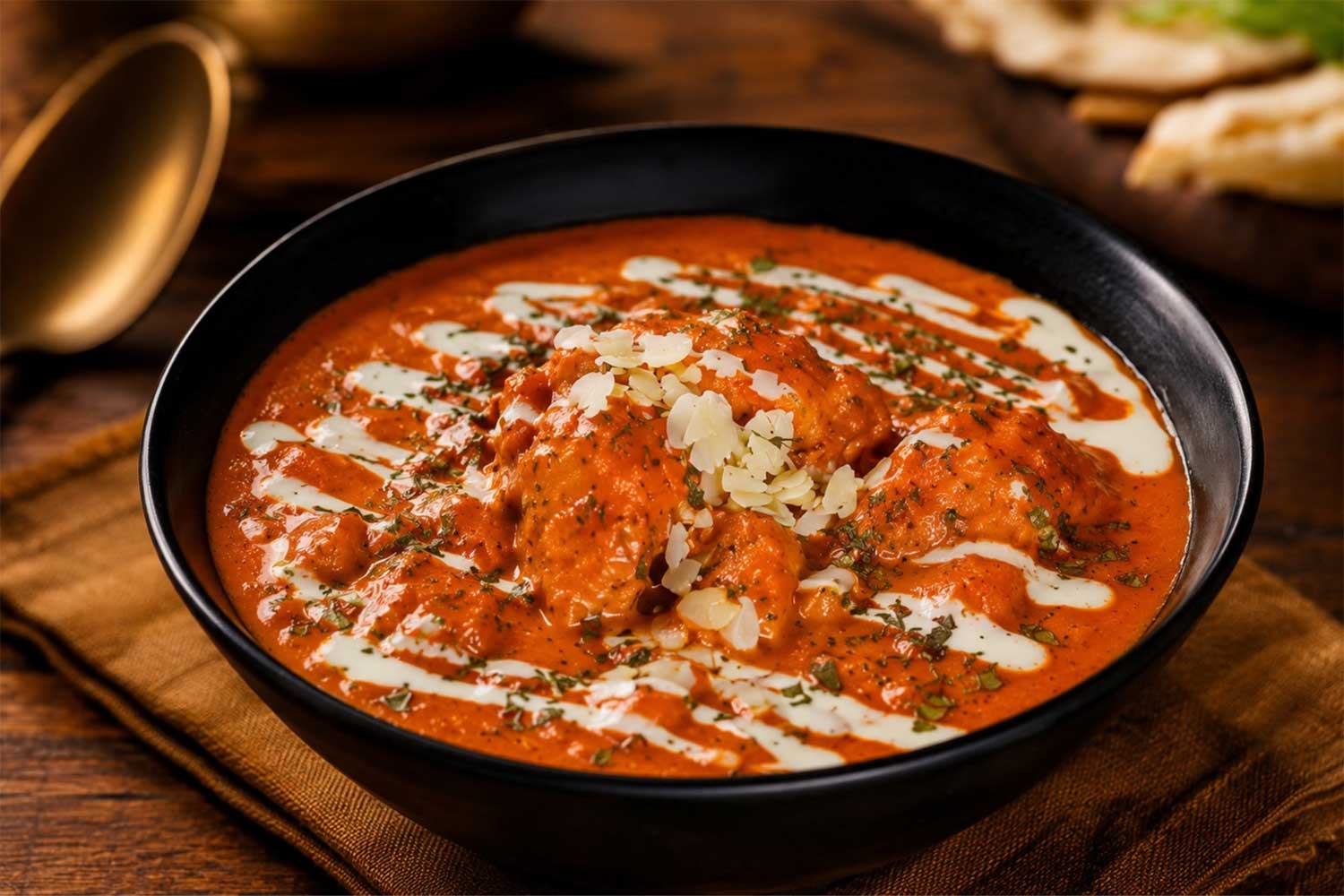
From aromatic biryanis and rich curries to tandoori favourites and traditional Indian desserts, every dish tells a story through its ingredients and Indian spices.
At Grace of India, we celebrate the flavours and traditions that make Indian cuisine so diverse, bringing authentic Indian food to the table in a warm and welcoming setting.
Ready to explore the flavours of India? Join us at Grace of India and discover your next favourite dish.